
Study in United States Intake 2026 - 2027
The Home of World-Class Higher Education
Study Destination
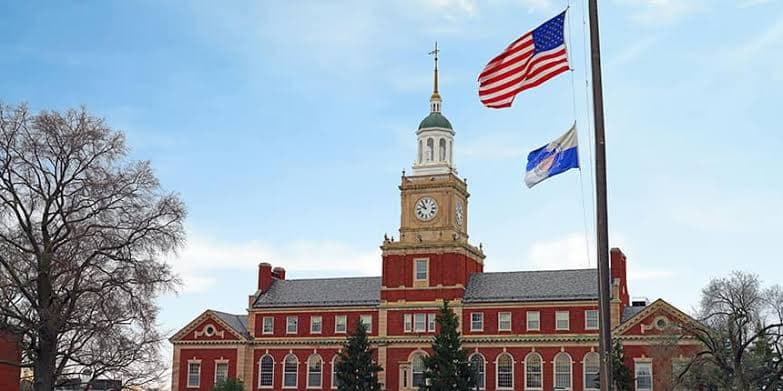
United States
The USA offers unmatched variety in universities, programs, and career pathways for international students.
Tuition
USD 15,000 / year
Living Cost
USD 1,000 - 2,000 / month
Work Rights
On-campus 20 hrs/week; CPT/OPT for eligible programs
Intakes
Fall (August/September), Spring (January), Summer (May)
Why Study in United States?
The United States has one of the largest and most diverse higher education systems in the world, with thousands of accredited universities and colleges offering flexible, research-driven and industry-linked programmes across virtually every field of study.
Why Choose United States?
Largest selection of universities and specialised programmes in the world
Flexible credit system allowing majors, minors and interdisciplinary study
Strong research funding and industry connections, especially in STEM fields
Optional Practical Training (OPT) provides work experience directly tied to F-1 status
Getting Started
Admission Requirements
- Academic transcripts and qualification relevant to the chosen programme
- Standardized test scores where required (e.g. SAT/ACT for undergraduate, GRE/GMAT for some graduate programmes)
- English-language proficiency evidence (TOEFL/IELTS/Duolingo) where required
- Statement of purpose, letters of recommendation, and a valid passport
Student Visa
Visa Information
- International students generally require an F-1 student visa to study full-time in the US.
- Applicants need a Form I-20 issued by a SEVP-certified institution and must pay the SEVIS fee.
- Applicants must demonstrate sufficient financial resources and ties encouraging return after study.
- A visa interview at a US embassy or consulate is normally required.
Cost of Living
Living costs vary widely by city — a practical planning range is around USD 1,000–2,000 per month, with cities like New York, Boston, and San Francisco costing significantly more than smaller college towns.
Work Opportunities
F-1 students can generally work on-campus up to 20 hours per week during the semester and full-time during official breaks. Curricular Practical Training (CPT) allows work tied to the curriculum, subject to school approval.
Post-Study Opportunities
Eligible graduates can apply for Optional Practical Training (OPT), generally 12 months of work authorization related to their field of study, with an additional 24-month STEM OPT extension for eligible STEM graduates — subject to current USCIS rules, which are periodically revised.
Academic Options
Popular Courses
University Options
Popular Universities
Arizona State University
University of Illinois Urbana-Champaign
Northeastern University
University of Texas at Dallas
State University of New York (SUNY) system
Purdue University
How to Apply
Profile assessment and shortlisting of universities/programmes
Prepare standardized test scores and English-proficiency evidence
Prepare SOP, recommendation letters and academic documents
Submit applications and receive the I-20 upon acceptance
Pay the SEVIS fee and schedule the visa interview
Attend the F-1 visa interview and prepare for travel
Other Study Destinations

United Kingdom
From £10,000 / year
Learn More
Australia
From AUD 20,000 / year
Learn More
New Zealand
From NZD 18,000 / year
Learn More
Ireland
From €10,000 / year
Learn More
Germany
From €0 - €1,500 / year
Learn More
France
From €2,902 Bachelor / €3,950 Master (public)
Learn More
Hungary
From €3,000 / year
Learn More
Finland
From €8,000 / year
Learn More
Canada
From CAD 15,000 / year
Learn More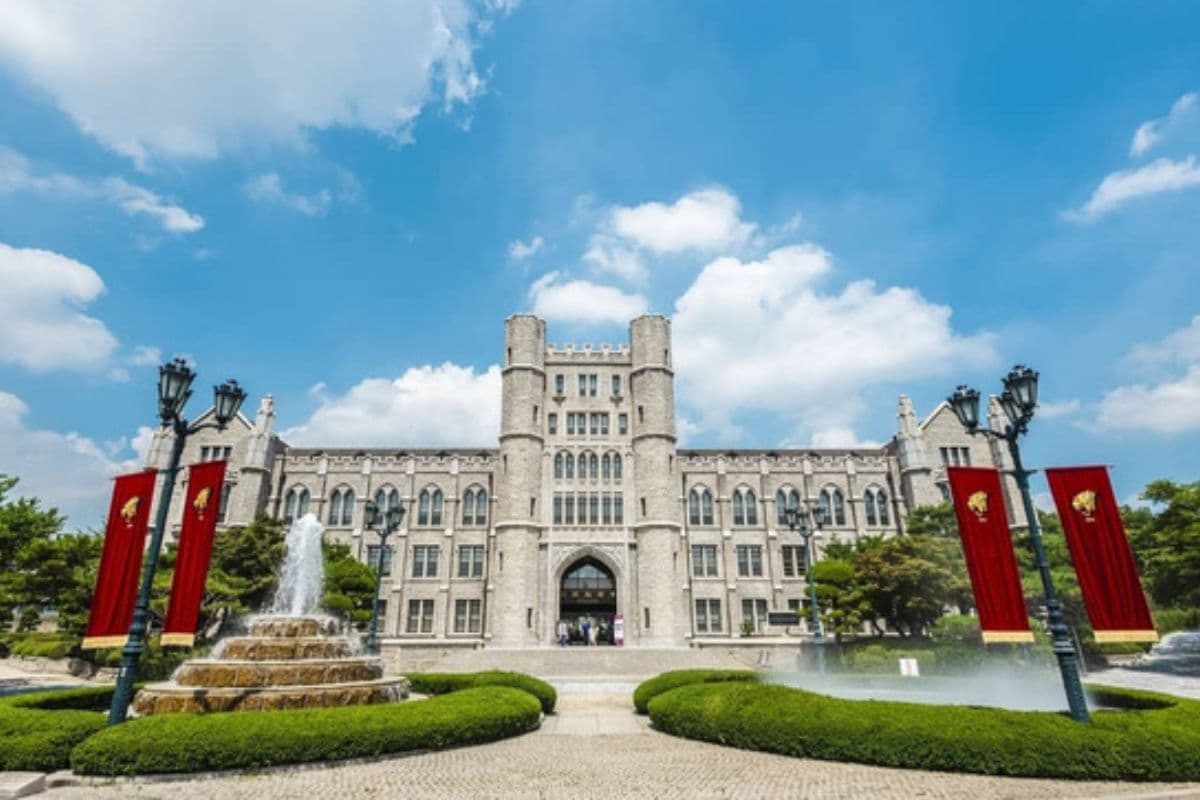
South Korea
From USD 3,000 / year
Learn More
Sweden
From SEK 90,000 / year
Learn More
Italy
From From about €1,000 / year (public, income-based)
Learn More
Romania
From €2,500 / year
Learn More
Lithuania
From €2,000 / year
Learn More
Albania
From €2,000 / year
Learn More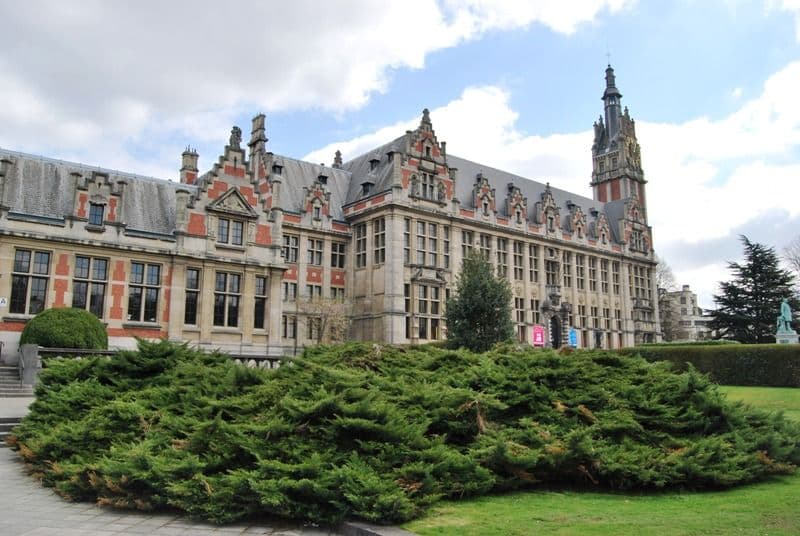
Belgium
From From about €4,500 / year
Learn More
Cyprus
From €4,000 / year
Learn More
Turkey
From USD 1,500 / year
Learn MoreStart Your United States Journey
Speak with our counselors and explore the right universities, courses and study pathway for your profile.