
Study in Italy Intake 2026 - 2027
World-Class Design, Engineering and Culture
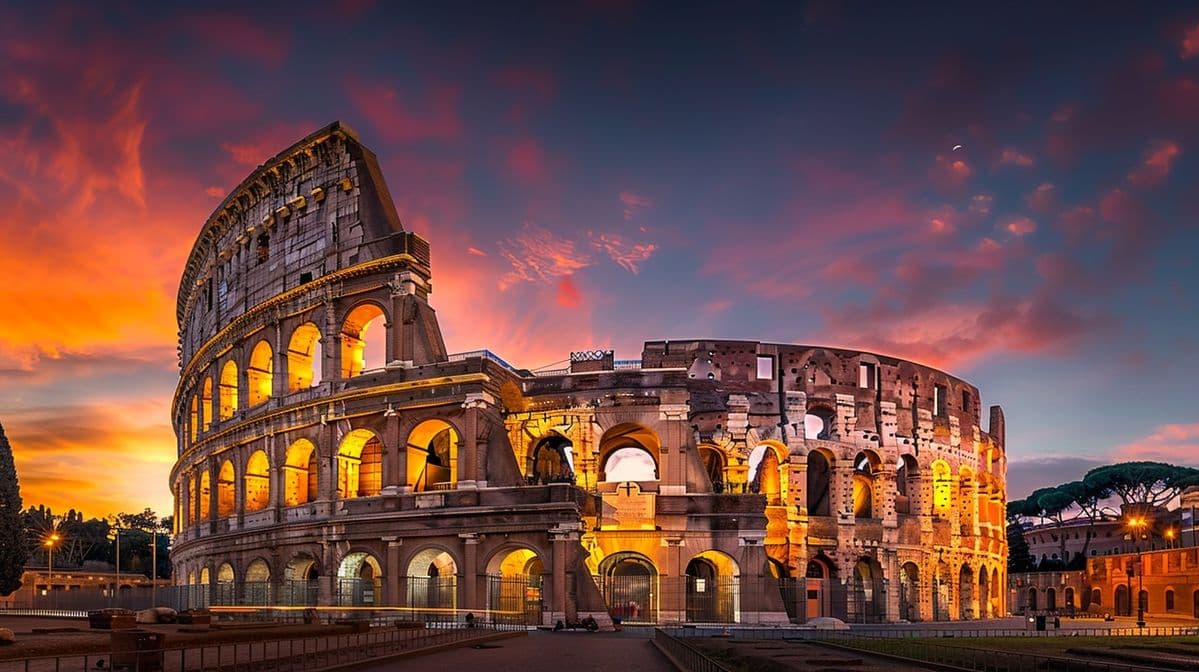
Study Destination
Italy
Italy combines historic universities, internationally respected design and engineering schools and comparatively affordable public tuition.
Tuition
From about €1,000 / year (public, income-based)
Living Cost
€700 - €1,100 / month
Work Rights
Up to 20 hours/week (annual cap applies)
Intakes
September/October, February/March (selected programmes)
Why Study in Italy?
Italy offers a large public university system with English-taught programmes at bachelor’s and master’s level. Public tuition is usually income-based and often lower than in many other European countries, while private institutions have higher fees.
Why Choose Italy?
Comparatively affordable public university tuition
Globally recognised strengths in engineering, architecture, design and fashion
Growing range of English-taught programmes
Regional right-to-study scholarships may be available to eligible students
Getting Started
Admission Requirements
- Academic qualification recognised for the chosen level of study
- English or Italian language evidence, depending on the programme
- Valid passport and programme-specific documents
- Some programmes require entrance tests, portfolios or prerequisite credits, and certain documents may need legalisation or a recognised qualification statement
Student Visa
Visa Information
- Non-EU students normally need a long-stay (type D) study visa.
- Students are usually required to complete a pre-enrolment request through the Universitaly portal.
- Applicants must show sufficient funds, accommodation arrangements and insurance cover.
- After arrival, students apply for a residence permit for study within the required time.
Cost of Living
A practical planning range is around €700–€1,100 per month, with Milan and Rome generally costing more than smaller university cities. Accommodation is the main variable.
Work Opportunities
Students with a residence permit for study can generally work part-time, within an annual hour limit commonly described as up to 20 hours per week, subject to current rules.
Post-Study Opportunities
Eligible graduates may be able to convert or extend their permit to look for work or start a business for a limited period after graduation, subject to the rules in force.
Academic Options
Popular Courses
University Options
Popular Universities
Politecnico di Milano
University of Bologna
Sapienza University of Rome
University of Padua
Politecnico di Torino
University of Milan
How to Apply
Assess your qualification and shortlist programmes
Check deadlines, entrance tests and language requirements
Apply to the university and complete pre-enrolment on Universitaly
Receive the offer and arrange funds, accommodation and insurance
Apply for the type D student visa
Complete enrolment and the residence-permit steps after arrival
Other Study Destinations

United Kingdom
From £10,000 / year
Learn More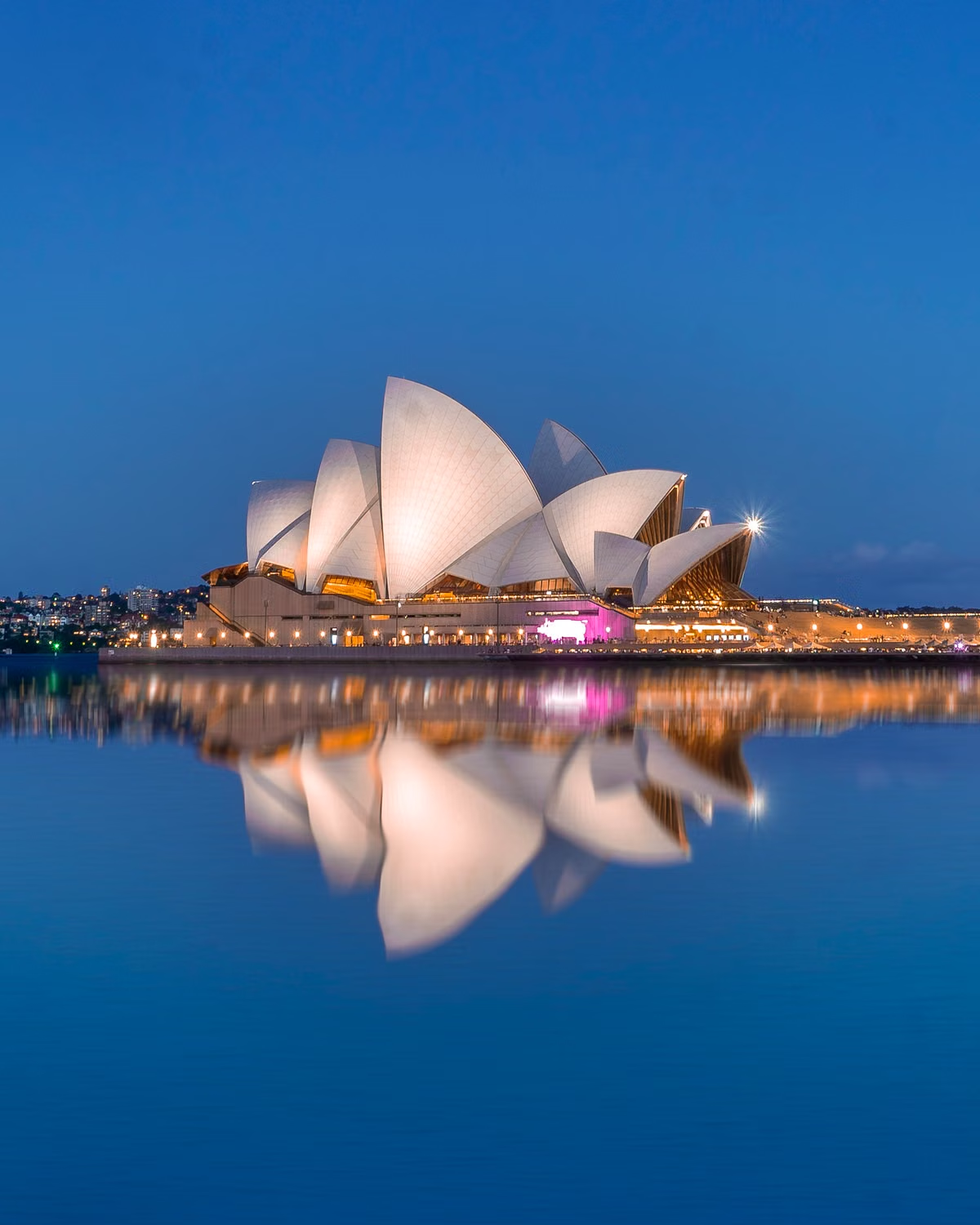
Australia
From AUD 20,000 / year
Learn More
New Zealand
From NZD 18,000 / year
Learn More
Ireland
From €10,000 / year
Learn More
Germany
From €0 - €1,500 / year
Learn More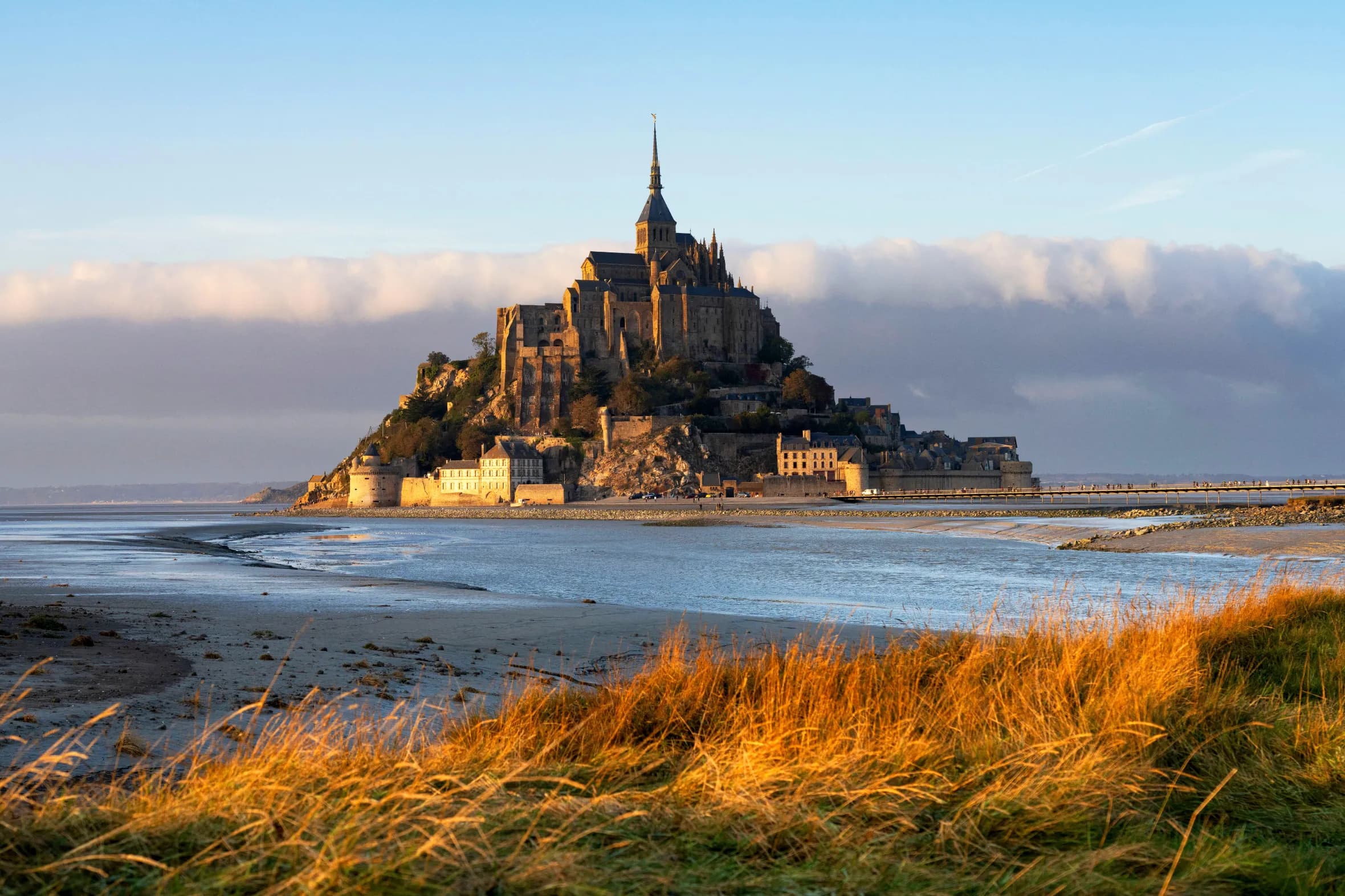
France
From €2,902 Bachelor / €3,950 Master (public)
Learn More
Hungary
From €3,000 / year
Learn More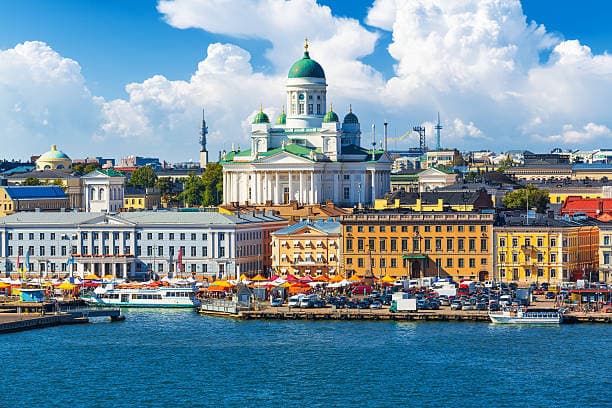
Finland
From €8,000 / year
Learn More
United States
From USD 15,000 / year
Learn More
Canada
From CAD 15,000 / year
Learn More
South Korea
From USD 3,000 / year
Learn More
Sweden
From SEK 90,000 / year
Learn More
Romania
From €2,500 / year
Learn More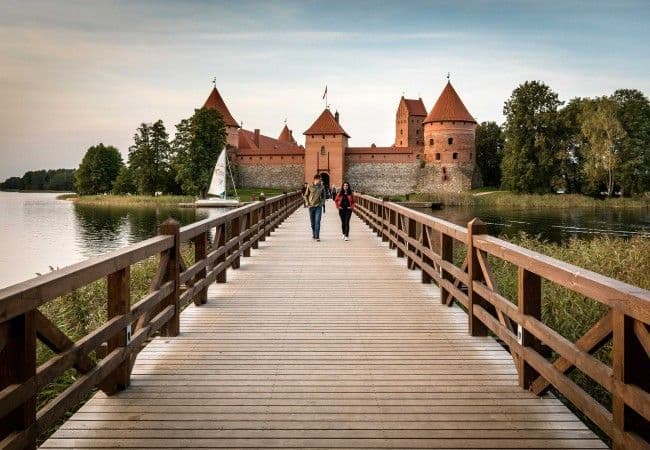
Lithuania
From €2,000 / year
Learn More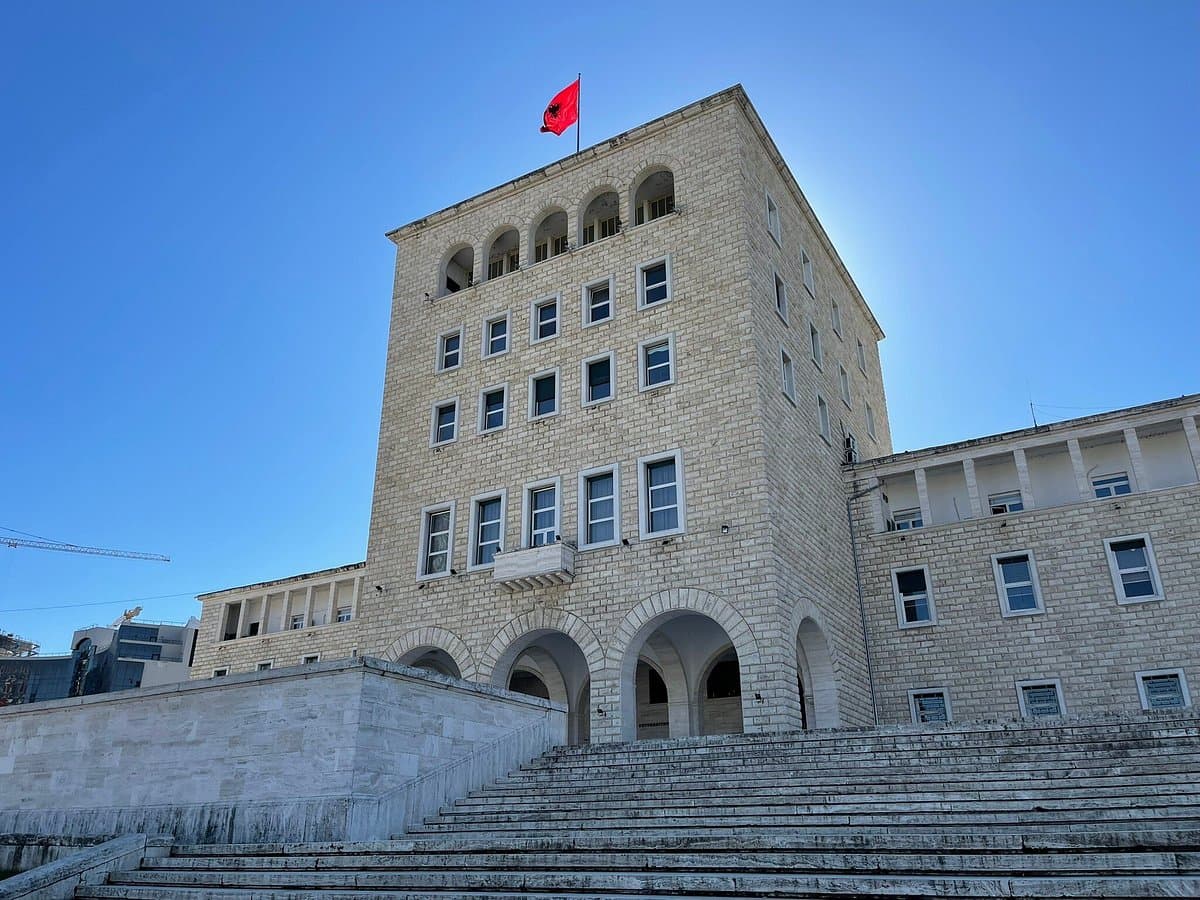
Albania
From €2,000 / year
Learn More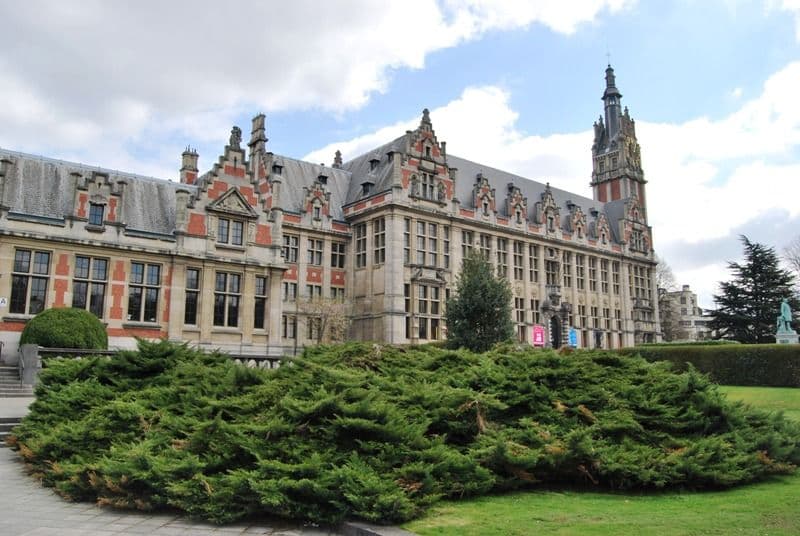
Belgium
From From about €4,500 / year
Learn More
Cyprus
From €4,000 / year
Learn More
Turkey
From USD 1,500 / year
Learn MoreStart Your Italy Journey
Speak with our counselors and explore the right universities, courses and study pathway for your profile.