
Study in South Korea Intake 2026 - 2027
Innovation Meets Affordability
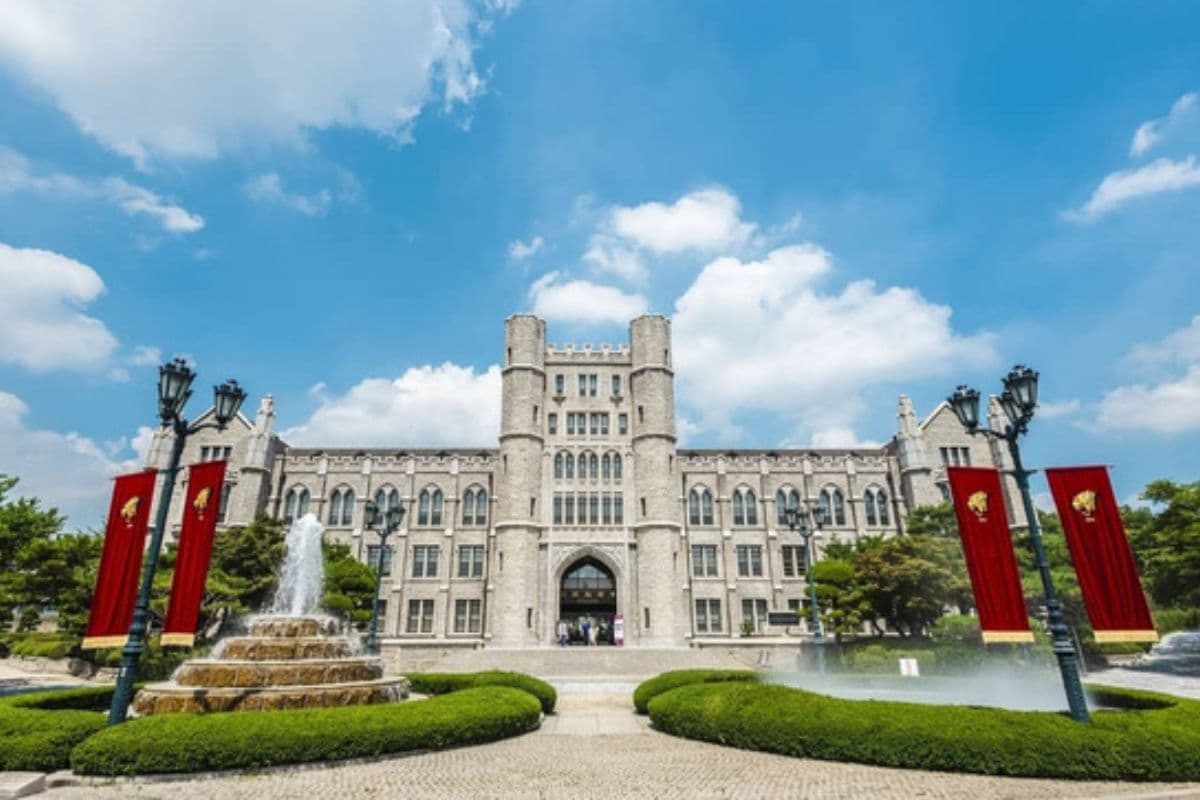
Study Destination
South Korea
South Korea combines cutting-edge technology, affordable tuition, and a rich cultural experience for international students.
Tuition
USD 3,000 / year
Living Cost
USD 500 - 900 / month
Work Rights
Part-time with permit (hours vary by level & TOPIK score)
Intakes
March (Spring), September (Fall)
Why Study in South Korea?
South Korea has rapidly grown as an international study destination, offering strong programmes in engineering, technology and business, comparatively affordable tuition, and an increasing number of English-taught degrees at both public and private universities.
Why Choose South Korea?
Comparatively low tuition and living costs versus many Western destinations
Strong reputation in technology, engineering and business fields
Growing number of English-taught undergraduate and graduate programmes
Modern campuses and a vibrant, well-connected student life
Getting Started
Admission Requirements
- Academic transcripts and qualification relevant to the chosen programme
- English proficiency evidence (TOEFL/IELTS) for English-taught programmes, or TOPIK for Korean-taught programmes
- Valid passport, financial documents and programme-specific application forms
- Some programmes may require a statement of purpose, interview, or portfolio
Student Visa
Visa Information
- International students generally require a D-2 (degree programme) or D-4 (language/training) student visa.
- Applicants need an admission/acceptance letter from a recognized Korean institution.
- Applicants must demonstrate sufficient financial means to cover tuition and living costs.
- A Certificate of Admission and supporting documents are submitted through the relevant Korean consulate.
Cost of Living
A practical planning range is around USD 500–900 per month, with Seoul generally more expensive than other university cities.
Work Opportunities
D-2 visa holders can apply for a part-time work permit through their university and Korean immigration after arrival; permitted weekly hours depend on academic level and Korean (TOPIK) or English proficiency, with grading and immigration approval required before starting work.
Post-Study Opportunities
Eligible graduates may explore points-based residence and work options such as the D-10 job-seeking visa, subject to qualification, field of study and the current immigration requirements in force.
Academic Options
Popular Courses
University Options
Popular Universities
Seoul National University
KAIST
Yonsei University
Korea University
Sungkyunkwan University
Hanyang University
How to Apply
Profile assessment and shortlisting of universities/programmes
Check English/TOPIK and academic entry requirements
Prepare academic, financial and passport documents
Submit the application and receive the Certificate of Admission
Apply for the D-2 or D-4 student visa at the Korean consulate
Complete alien registration and prepare for arrival
Other Study Destinations

United Kingdom
From £10,000 / year
Learn More
Australia
From AUD 20,000 / year
Learn More
New Zealand
From NZD 18,000 / year
Learn More
Ireland
From €10,000 / year
Learn More
Germany
From €0 - €1,500 / year
Learn More
France
From €2,902 Bachelor / €3,950 Master (public)
Learn More
Hungary
From €3,000 / year
Learn More
Finland
From €8,000 / year
Learn More
United States
From USD 15,000 / year
Learn More
Canada
From CAD 15,000 / year
Learn More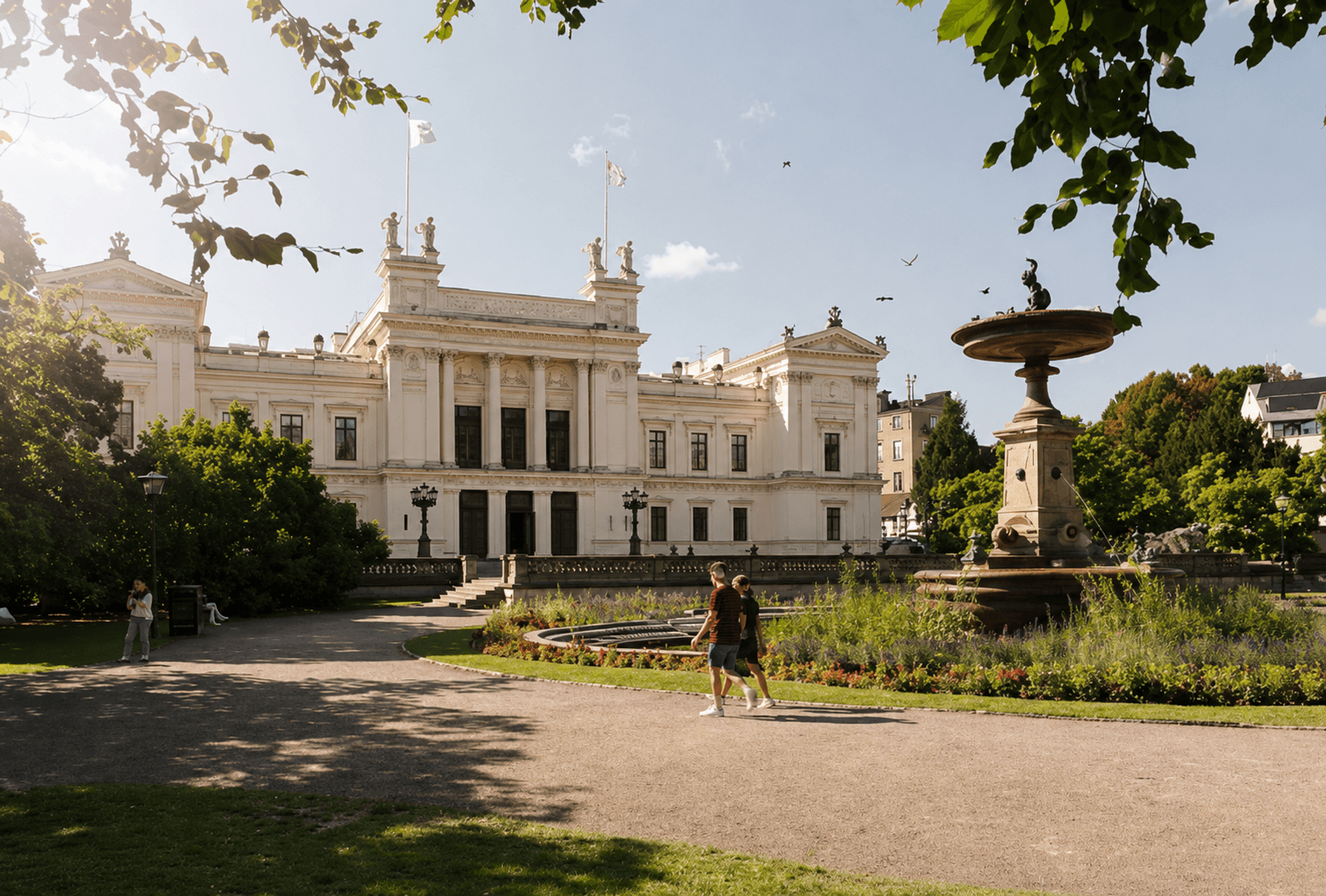
Sweden
From SEK 90,000 / year
Learn More
Italy
From From about €1,000 / year (public, income-based)
Learn More
Romania
From €2,500 / year
Learn More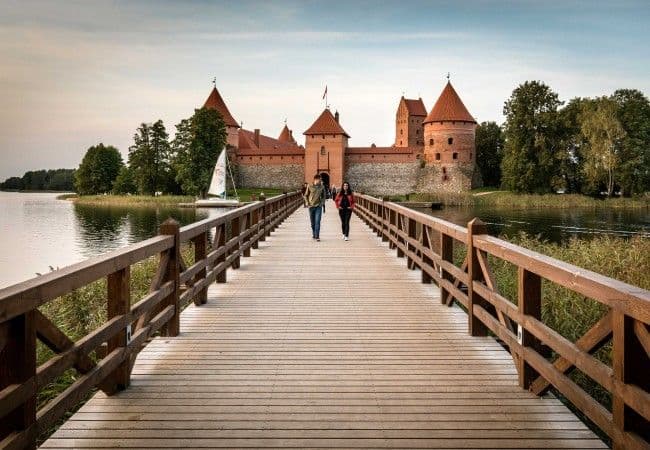
Lithuania
From €2,000 / year
Learn More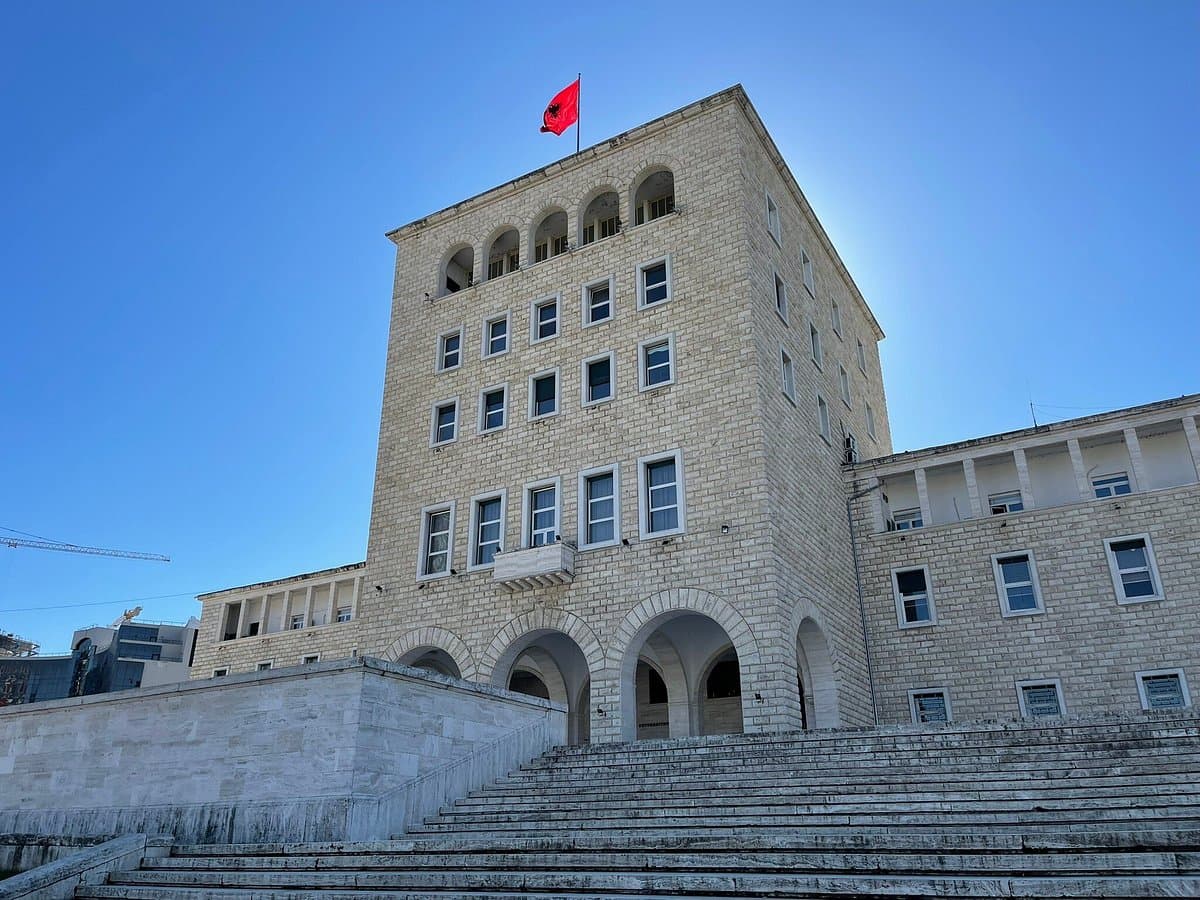
Albania
From €2,000 / year
Learn More
Belgium
From From about €4,500 / year
Learn More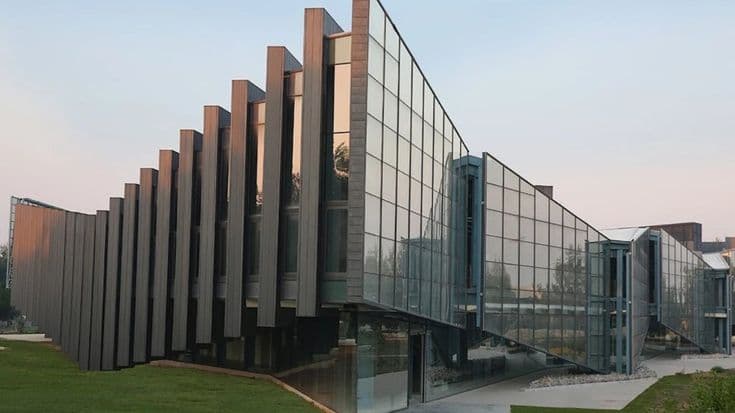
Cyprus
From €4,000 / year
Learn More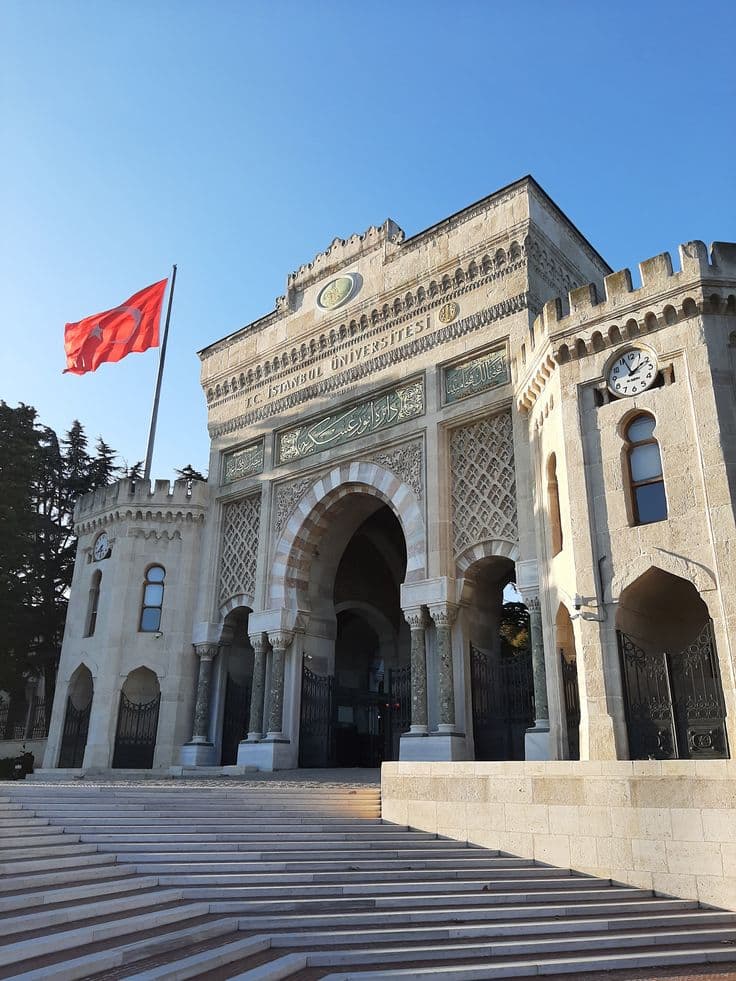
Turkey
From USD 1,500 / year
Learn MoreStart Your South Korea Journey
Speak with our counselors and explore the right universities, courses and study pathway for your profile.